
An oxytocin nasal spray shows up in three parts of my book. In Chapter 13, it’s 24 IU before a date night. In the Partner Protocol, it’s a low dose to reconnect what stress burned down. In the longevity chapter, it’s 10 to 40 IU, because oxytocin declines with age. This page puts all of that together and covers what the research really shows. The famous trust study did not hold up when it was repeated, and you should know that before you spend money on it. It also covers the one rule that comes before any dose: consent.
Oxytocin is a small hormone made in the hypothalamus and released by the pituitary. It rises with touch, sex and orgasm, childbirth and breastfeeding. Inside the brain, it’s also tied to bonding, social memory and calm.
In hospitals, it’s given as an injection to start labor. As a nasal spray, however, it’s used in research because some of it seems to reach the brain through the nose.
In the book, I call it the bonding hormone, and that is how the relationship chapters use it.
Before any dose, here is the rule. An oxytocin nasal spray is something two adults decide to use together, knowing what it is.
Never give it to anyone without their knowledge, because that’s drugging someone, and it’s a crime, whatever the substance and whatever the reason. I’m a lawyer, and this is the line you don’t cross.
Used the right way, though, it fits the book’s idea of a partnership. You optimize together, you both know what’s in the protocol, and you both choose it.
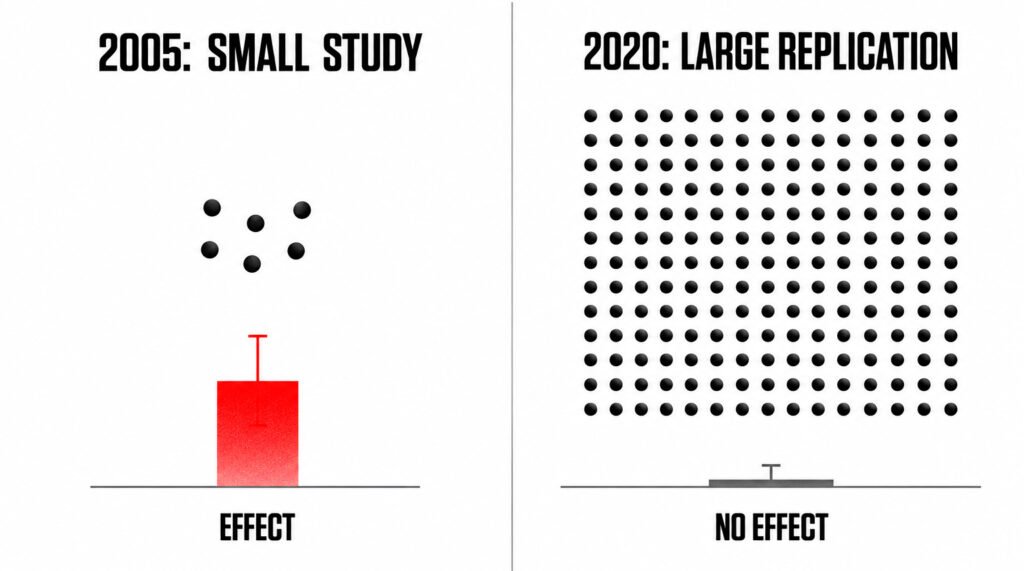
The trust study. In 2005, a study in Nature gave men 24 IU of oxytocin through the nose. Then they played an investment game, and the oxytocin group trusted strangers with more money [1]. That study is where the “trust hormone” idea comes from, and it’s also where the book’s 24 IU dose comes from.
The replication. In 2020, a team that included one of the original authors ran a much larger, pre-registered version of the study, with enough power to catch the effect. They found no effect of oxytocin on trust [2].
The bigger problem. The other study the book cites is a review of the whole field. It found that the average nasal oxytocin study was so small it had about a 16 percent chance of detecting a real effect. As a result, the authors concluded that most published findings probably don’t represent true effects [3].
So what’s left? First, oxytocin is real, and it matters for bonding. However, a spray before dinner creating “instant trust” is not what the best data shows.
Below is the full oxytocin dose table, timing, the aging research, side effects, natural ways to raise it and the comparison with PT-141.
The full oxytocin dose table, timing, the longevity research, side effects, natural ways to raise it and the comparison with PT-141 are for members. Create your free account to keep reading.
When you create your free membership, you’ll unlock the full article and be able to continue reading.
Already a member?
This page documents Dr. Tony Huge’s research and self-experimentation. It is journalism and education, not medical advice, and it creates no doctor-patient relationship. Dr. Tony Huge holds a Juris Doctor; he is a lawyer, not a physician. Read the full Legal Disclaimer.